How Long Roofs Last, Material by Material
When someone asks how long a roof should last, the honest answer is always "it depends." The material matters a lot, but so does the slope of the roof, how well it was installed, and what the weather has thrown at it over the years. In Chicago, that last part carries a lot of weight.
We get asked about roof lifespan more than almost anything else. People want to know if their roof is close to the end, or if a strange noise or a small leak means trouble is coming. Below are realistic ranges for the materials we see most often on homes and buildings around the city, along with the local conditions that can push those numbers up or down.
None of these numbers are promises. They're general ranges based on how these materials typically hold up. If you want a read on your specific roof, a phone call and a look at the actual conditions will tell you far more than any chart.
Flat Roof Membranes: TPO, EPDM, and Modified Bitumen
Flat and low-slope roofs are common on Chicago homes with additions, garages, and porches, plus most commercial and industrial buildings. TPO membranes generally last somewhere in the range of fifteen to twenty-five years, EPDM rubber roofing can run close to that same range, and modified bitumen often falls a bit lower, especially with heavier foot traffic or rooftop equipment.
The biggest swing factor on flat roofs is water. These roofing systems are built to shed water off to drains and scuppers, so any ponding water sitting around after a storm shortens the material's working life. Seams, flashing, and parapet walls are also common weak points. A roof that's been well maintained, with drains cleared and flashing checked regularly, tends to land on the higher end of its expected range.
Sun exposure plays a role too. Flat roofs take direct sun all day with nowhere to hide, and years of UV exposure combined with Chicago's temperature swings can dry out and stress the membrane faster than in milder climates.
Metal Roofs
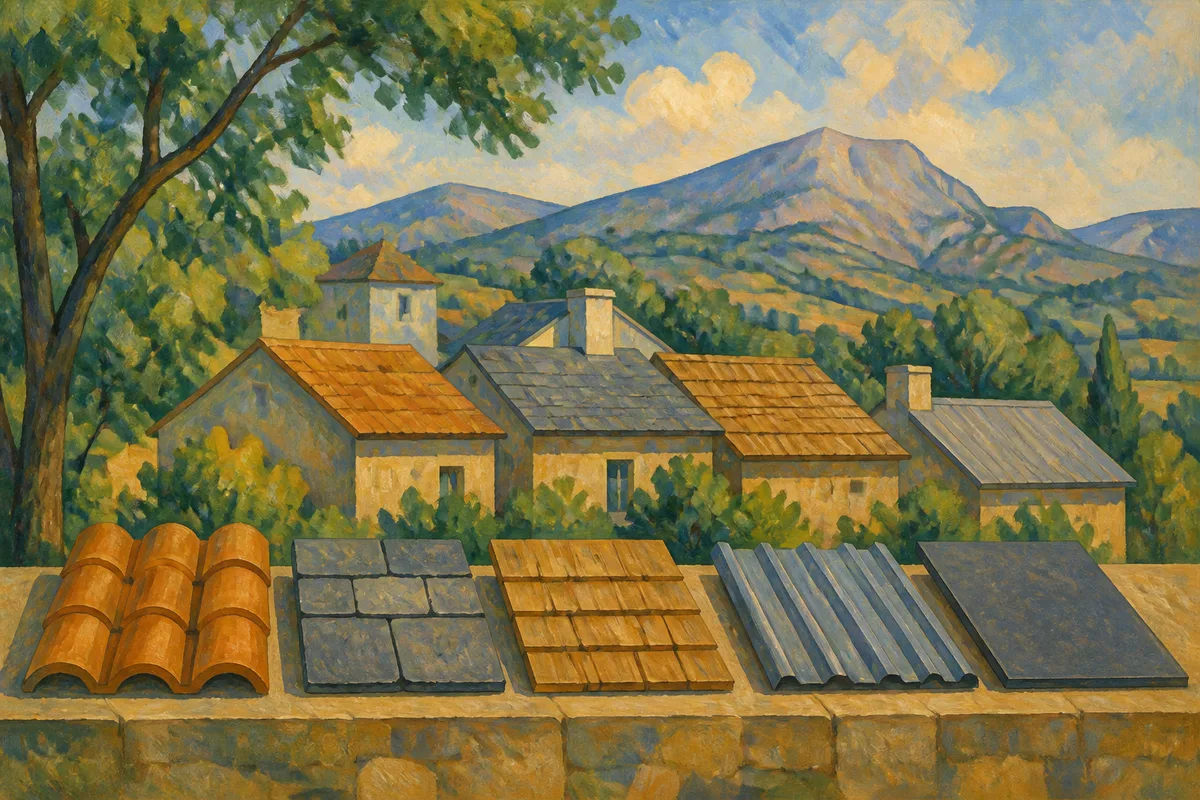
Metal roofing is one of the longer-lasting options out there, often reaching somewhere between forty and seventy years depending on the type of panel and finish. It handles snow load well and sheds ice better than many other materials, which matters during Chicago winters.
The main threats to a metal roof here are fasteners loosening over time from temperature expansion and contraction, and coating wear from years of freeze and thaw cycles. Proper installation with attention to flashing details around chimneys, vents, and walls makes a real difference in how evenly a metal roof ages.
Cedar Shake and Clay Tile
Cedar shake roofs bring a warm, natural look and typically last somewhere in the range of twenty to forty years. Their lifespan depends heavily on airflow underneath the shakes and how much moisture they're exposed to. Cedar that stays damp for long stretches, from shade, poor ventilation, or heavy snow sitting on the roof, will age faster than cedar that dries out between storms.
Clay tile is on the other end of the spectrum. The tiles themselves can last fifty years or more, sometimes far longer, because clay doesn't rot or corrode the way other materials can. The underlayment beneath the tiles usually wears out well before the tiles do, and that underlayment is what actually keeps water out. A tile roof that looks solid on top can still need attention underneath.
Both materials are heavier than typical asphalt or membrane roofing, so the structure supporting them matters as much as the material itself.
What Chicago Weather Does to a Roof
Every material above ages differently depending on where it sits. Chicago roofs deal with hot, humid summers, bitter winters, heavy snow, strong winds off the lake, and the kind of freeze-thaw cycling that stresses seams and fasteners more than a steady climate ever would.
Ice dams are a particular concern here. When melting snow refreezes at the roof edge, it can back water up under shingles or membranes and find its way into places it shouldn't be. Ponding water after a storm has a similar effect on flat roofs, softening materials that are meant to stay dry.
Wind is another factor people underestimate. Strong gusts can lift flashing, loosen shingles, or stress parapet walls on flat-roofed buildings, especially if the roof was already showing signs of wear. Over time, these small events add up faster than they would somewhere with milder weather.
Getting the Most Years Out of Your Roof
The single biggest factor in whether a roof reaches the upper end of its expected range, or falls short of it, is attention. Roofs that get looked at regularly, with drains cleared, flashing checked, and small leaks caught early, tend to last noticeably longer than roofs that only get attention once something goes wrong.
If you're not sure how old your roof is, what it's made of, or whether it's showing signs of wear, that's a good reason to have someone take a look rather than guess. Catching a small issue early is almost always easier and less disruptive than dealing with it after it's grown.
If you have questions about your own roof, whether it's a flat membrane on a Chicago two-flat, metal panels on a garage, or clay tile on an older home, give us a call. We're happy to talk through what you're seeing and help you figure out what it might mean.
Questions about your own situation? The team at Chicago Flat Roofing Contractors is happy to help — call us at (773) 209-1468 or request an appointment.
This article is for general information only.